The Essence of Lapland: A Winter Wonderland
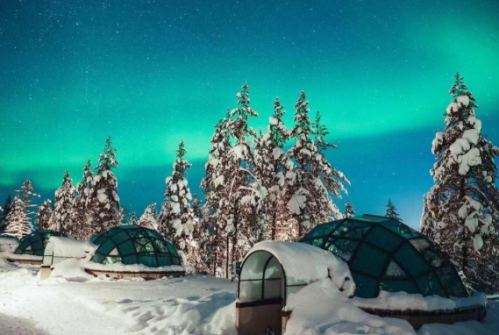
Lapland, the northernmost region of Finland, is not merely a destination; it is a pristine Arctic wilderness that offers a profound connection to nature. Characterized by vast snow-covered forests, frozen lakes, and the ethereal dance of the Aurora Borealis, Lapland stands as a bucket-list destination for travelers seeking both adventure and tranquility.
Understanding the Arctic Climate
The region experiences extreme seasonal shifts. In winter, the sun barely rises above the horizon, creating the “Kaamos” or polar night—a period of beautiful blue twilight. Understanding this cycle is essential for planning activities like reindeer sledding or snowmobiling.

Chasing the Aurora Borealis: Strategic Insights
The Northern Lights are the crown jewel of Finnish Lapland. However, spotting them requires patience and specific environmental conditions. You need dark, clear skies away from light pollution, typically between September and March.
Optimal Viewing Conditions
- Solar Activity: Check KP-index forecasts before heading out.
- Light Pollution: Choose remote locations like Utsjoki or Muonio.
- Patience: The lights can appear for mere minutes or hours; bring thermal gear.
| Factor | Recommendation |
|---|---|
| Best Season | Late Sept to Late March |
| Gear | Tripod, wide-angle lens, extra batteries |
| Location | Inari or Rovaniemi outskirts |

Cultural Immersion: Beyond the Scenery
Lapland is the ancestral home of the Sámi people, Europe’s only indigenous group. Engaging with Sámi culture provides deeper context to the land, including their historic relationship with reindeer herding, which remains a vital part of the local economy and identity.
The Magic of Rovaniemi
As the capital of Lapland, Rovaniemi is famous for being the official hometown of Santa Claus. Beyond the commercial charm, the city serves as a gateway to the Arctic Circle, offering museums like Arktikum, which detail the history and biology of the polar regions.

Essential Winter Adventures and Safety
From husky safaris to cross-country skiing, the activities in Lapland are physically demanding but deeply rewarding. Safety is paramount when navigating frozen landscapes.
Pro Tips for Arctic Travelers
Always dress in layers. The “three-layer rule” (base, insulating, and shell) is essential for maintaining body heat while moving. When participating in motorized activities like snowmobiling, follow local guide instructions strictly to avoid thin ice on frozen waterways.
Frequently Asked Questions (FAQ)
- When is the best time to visit Lapland for snow?
- January through March offers the most reliable snow conditions for winter sports and activities.
- Do I need special equipment to photograph the Northern Lights?
- Yes, a camera with manual settings, a sturdy tripod, and a wide-aperture lens are highly recommended to capture the faint light of the Aurora.
- Is Lapland expensive to visit?
- Lapland is considered a premium destination. Costs can be managed by booking excursions in advance and choosing self-catering accommodation options.
- How cold does it actually get in Lapland?
- Temperatures can drop as low as -30°C (-22°F). Proper thermal clothing is not optional; it is a necessity for survival and comfort.