The Historical Significance of Stonehenge
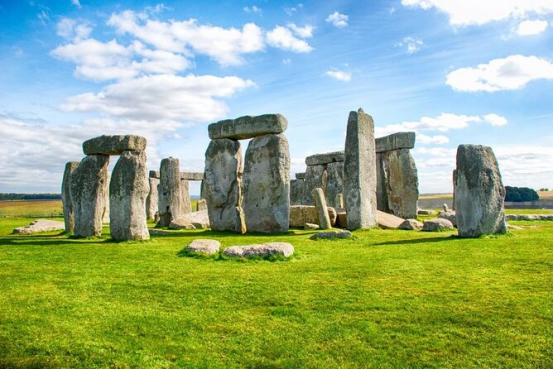
Stonehenge is not merely a collection of stones; it is a complex architectural achievement that spans over 1,500 years of construction. Located on the Salisbury Plain, this Neolithic monument serves as a portal into the lives of our ancestors. The site was built in several stages, beginning around 3000 BC, and serves as a testament to the sophisticated astronomical knowledge held by prehistoric societies.
The Phases of Construction
The site evolved from a simple earthwork enclosure into the massive megalithic structure we see today. The iconic sarsen stones were transported from over 20 miles away, while the smaller “bluestones” originated in the Preseli Hills of Wales—a journey of over 150 miles that remains a marvel of ancient engineering.

Understanding the Astronomical Alignment
The primary purpose of Stonehenge remains a subject of intense academic debate, yet its alignment with the sun is undeniable. During the Summer Solstice, the sun rises behind the Heel Stone, casting a direct beam into the heart of the monument. During the Winter Solstice, the sunset aligns with the central axis.
Why Sun Worship Mattered
For Neolithic farmers, the sun was the source of life and the indicator of seasonal change. Predicting the arrival of spring was critical for agricultural survival, making the monument a functional “calendar” as much as a site of ritual or funerary significance.
| Solstice Event | Alignment | Significance |
|---|---|---|
| Summer Solstice | Sunrise | Longest day, peak of light. |
| Winter Solstice | Sunset | Return of the sun, new cycle. |

Planning Your Visit to Stonehenge
Visiting Stonehenge requires advance planning to ensure a seamless experience. As a UNESCO World Heritage site, it is protected, and visitors must follow specific paths to preserve the integrity of the landscape.
Essential Tips for Travelers
- Book tickets online in advance to guarantee entry, as slots sell out quickly.
- Arrive early in the morning to avoid large tour groups and midday crowds.
- Dress for the weather; the Salisbury Plain is notoriously windy and exposed.
- Use the complimentary shuttle bus from the visitor center to the stones.

Pro Tips for a Superior Experience
To get the most out of your trip, consider the seasonal variations. While summer is popular, the winter months offer a more atmospheric, misty, and quiet experience. Always download the official audio guide before arriving to enrich your walk around the stone circle.
Frequently Asked Questions (FAQ)
- Can I touch the stones at Stonehenge?
- No, touching the stones is strictly prohibited to protect the ancient monument from erosion and damage. Visitors must stay on the designated paths.
- How long should I spend at the site?
- Most visitors spend between 2 to 3 hours, which includes the shuttle ride, the stone circle walk, and the exhibition center.
- Is Stonehenge worth visiting in the rain?
- Yes, Stonehenge is often considered most beautiful in dramatic weather. Just ensure you have appropriate waterproof gear.
- Are there other sites nearby worth visiting?
- Yes, the nearby Avebury Stone Circle and the city of Salisbury with its famous cathedral are excellent additions to any itinerary.